E-Waste Pickup Services: Streamlining Your Recycling Process for a Greener Tomorrow
E-waste collection services are transforming how people and companies manage their recycling efforts. Such services make the disposal process easier while upholding environmental guidelines. They not only reduce the burden of transporting large electronic items but also contribute to sustainable practices. As consumers continue to prioritize green alternatives, comprehending the intricacies of these services becomes critical. See details What elements should individuals evaluate when selecting an e-waste collection service? The answer may surprise you.
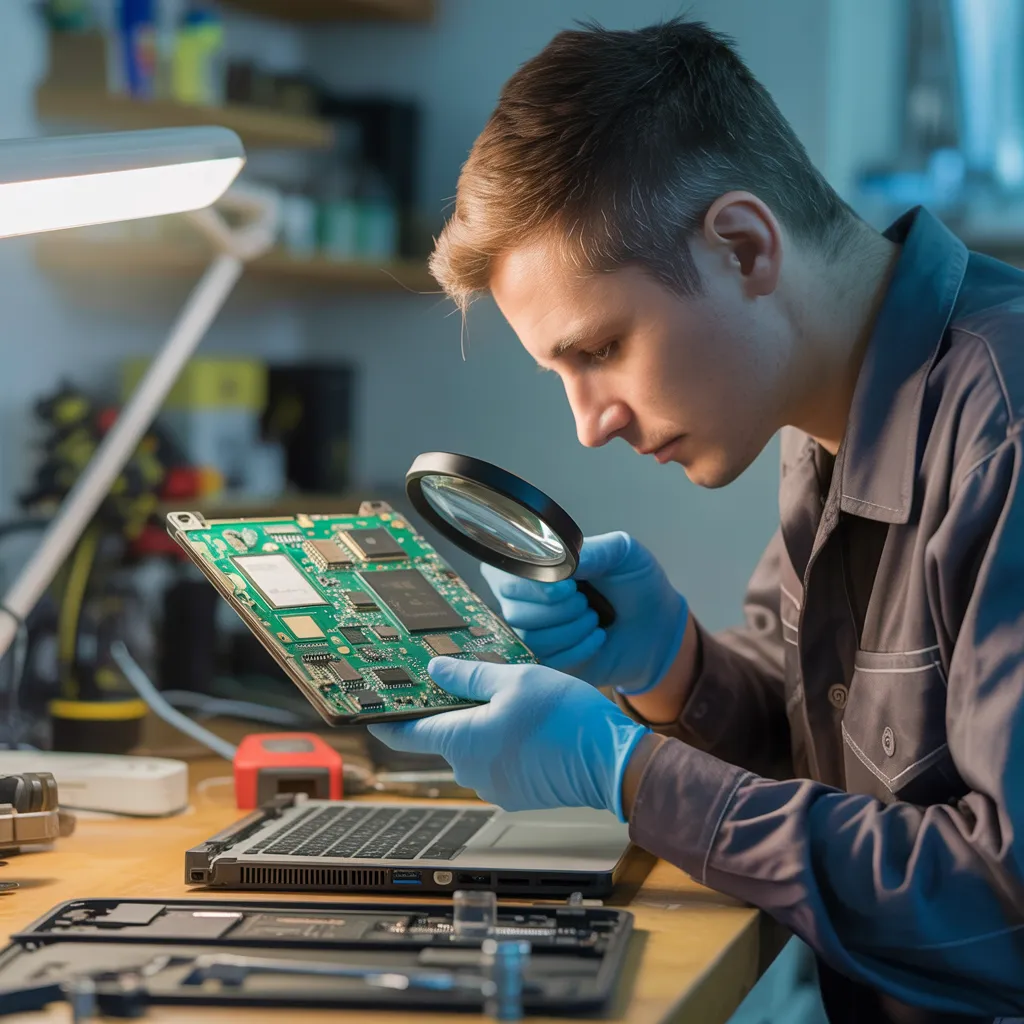
How E-Waste Pickup Reduces Environmental Impact
E-waste collection services play an essential role in reducing the environmental impact of discarded electronics, as they support the responsible collection and recycling of dangerous substances. These programs help stop toxic substances, such as mercury, lead, and cadmium, from contaminating soil and water systems. By efficiently collecting and transporting e-waste, they guarantee that harmful components are handled in accordance with environmental regulations.
In addition, electronic waste pickup services support resource recovery by redirecting important materials, including gold, copper, and silver, back into the manufacturing process. This decreases the dependence on freshly sourced raw materials, as a result protecting natural resources and decreasing energy consumption related to extraction and processing.
In addition, these programs boost general awareness about the value of responsible e-waste processing, encouraging individuals and businesses to participate in sustainable practices. In general, e-waste removal services considerably support a safer and cleaner environment by managing the issues posed by electronic waste.
Perks of Using E-Waste Collection Services
E-waste pickup services offer considerable benefits for homeowners and organizations alike. These services provide practical pickup options, making the disposal of outdated electronics hassle-free. Furthermore, they guarantee sustainable disposal solutions, working to minimize the environmental impact of electronic waste.
Convenient Collection Options
When individuals and businesses seek to properly manage their electronic waste disposal, utilizing pickup services offers a seamless solution. These services offer flexible collection options tailored to different schedules and requirements. Users can typically select from a range of pickup times suited to both home and business locations. This removes the hassle of hauling heavy items to recycling facilities, preserving precious time and energy. Furthermore, numerous e-waste collection services provide same-day or pre-scheduled pickups, improving convenience. By optimizing the pickup process, these services inspire greater participation in electronics recycling, effectively minimizing the environmental consequences of e-waste. The ease of scheduling and collection promotes responsible disposal, making it a practical choice for those looking to contribute to a greener future.
Sustainable Disposal Practices
Using e-waste pickup services confirms that electronic devices are handled in an eco-friendly way. These services specialize in handling multiple categories of electronic waste, making certain that toxic materials, such as lead and mercury are kept out of landfills. Through the use of certified recyclers, e-waste pickup services contribute to resource conservation via the reclamation of valuable materials, reducing the need for new raw materials. Moreover, these providers regularly follow domestic and international guidelines, advancing eco-friendly practices. Businesses and individuals gain from the ease of scheduled collections, alleviating the burden of transporting bulky items. In the end, choosing green disposal options through e-waste pickup providers fosters a culture of sustainability, promoting conscientious consumer habits and minimizing ecological impact.
Expectations for E-Waste Pickup?
What can individuals expect from an e-waste pickup? Individuals can expect a streamlined process designed to facilitate responsible recycling of electronic waste. To begin, a confirmed appointment will be arranged, enabling easy and flexible scheduling. When the pickup day arrives, a trained team will be on hand to manage a wide range of electronic devices, guaranteeing safe handling and a smooth experience.
Users should prepare their electronic waste by categorizing the items to be picked up, as this helps streamline the pickup process. The retrieval team might give direction on what materials qualify and what do not. Precautionary protocols are frequently implemented, including protective gear and proper handling techniques for potentially harmful items.
Moreover, transparency is of utmost importance; customers may receive a written confirmation of the devices collected, emphasizing the pledge toward responsible disposal. Ultimately, the e-waste pickup service seeks to streamline the electronics recycling journey while promoting green and responsible practices.
Key Criteria for Selecting an E-Waste Pickup Service
How does one ensure they are choosing the most suitable e-waste pickup service? Picking a suitable service necessitates a thoughtful review of several essential elements. First, it is vital to verify the service's certifications and compliance with local and national environmental regulations. This guarantees that e-waste is handled responsibly and legally. Furthermore, examining the organization's reputation via customer reviews and endorsements can shed light on their trustworthiness and professional standards.
Additionally, considering the breadth of services available can be helpful; an all-inclusive service may provide data destruction, recycling, and refurbishment solutions. Additionally, transparency in pricing is important; clear, upfront costs help avoid unexpected fees. Lastly, evaluate the organization's responsiveness and customer support, as open communication promotes a more efficient pickup encounter. By concentrating on these standards, individuals and businesses can confidently select an e-waste pickup service that aligns with their sustainability goals.
Scheduling Your E-Waste Pickup?
When should you schedule an e-waste collection? Timing can greatly impact the efficiency of the recycling process. The ideal approach is for individuals to arrange pickups on weekdays, as service providers typically have more open slots during these days. Early mornings or late afternoons may also be ideal, as these times typically experience less traffic, allowing for quicker service.
In addition, planning ahead is essential. Individuals should try to arrange pickups several days beforehand, especially during peak seasons or community recycling events. This confirms that the preferred service can address individual needs and expectations.
In addition, aligning the gathering with regular household responsibilities or tidying initiatives can optimize the procedure. By organizing the electronics recycling collection with personal commitments, individuals can ensure the recycling process is smoother and more convenient. Ultimately, deliberate timing promotes a more seamless electronics recycling endeavor, encouraging a commitment to ecological responsibility.
Where Is E-Waste Recycling Headed?
As the e-waste crisis continues to grow, future technologies in recycling are poised to transform the industry. Anticipated policy changes may further enhance recycling efforts, while innovative collection methods promise to make e-waste disposal more accessible. Together, these developments could greatly improve the efficiency and effectiveness of e-waste recycling practices.
Future Technologies in Recycling
Innovations in technology are expected to transform e-waste recycling, improving sustainability and efficiency. Advanced robotics and automated sorting systems are increasingly being integrated into recycling facilities, enabling the accurate segregation of recoverable resources from electronic waste. Machine learning and artificial intelligence plays a critical role in optimizing these processes, enabling real-time decision-making and elevating recovery rates. Moreover, innovative approaches such as advanced hydrometallurgical and biotechnological processes promise to extract precious metals with reduced ecological consequences. Distributed copyright technology is also being explored for tracking e-waste throughout the recycling process, promoting accountability and transparency. As these innovations advance, they will significantly diminish the carbon footprint of e-waste disposal, establishing the groundwork for a more environmentally responsible future in e-waste management.
Upcoming Policy Changes
Legislators are gearing up to implement significant policy changes aimed at enhancing electronic waste recycling efforts. These initiatives are designed to address the escalating issues associated with electronic waste and its environmental impact. Proposed regulations include stricter guidelines for manufacturers regarding product lifecycle management, pushing them to prioritize recyclability in design. Additionally, incentives for consumers to return old electronics are actively being explored, promoting habits of conscientious waste management. Officials may further expand budget allocations for recycling programs, seeking to broaden reach and improve effectiveness in the collection of used electronics. By fostering clarity and oversight throughout the recycling workflow, officials seek to lower the volume of waste sent to landfills while enhancing material reclamation, ultimately leading to a more sustainable approach to electronic waste management in the future.
Creative Collection Approaches
Transforming e-waste collection methods is critical for enhancing recycling efficiency and accessibility. Emerging technologies, such as mobile apps, enable scheduled collections, permitting consumers to arrange flexible pickup schedules. Moreover, partnerships with local businesses and community centers provide dedicated disposal sites, increasing the convenience of recycling. Smart receptacles integrated with detection systems can track capacity levels, guaranteeing prompt pickups and minimizing operational hurdles. Additionally, gamification strategies encourage participation by recognizing and compensating recycling contributions from individuals and groups. These developments not only streamline the collection process but also raise awareness about the importance of responsible e-waste disposal. As such progressive approaches become widespread, they promise a more sustainable future for e-waste recycling, and ultimately supporting a more sustainable world.
Commonly Asked Questions
What Kinds of E-Waste Do You Accept for Pickup?
E-waste removal services commonly handle items such as aging computers, televisions, mobile phones, tablets, printers, and a range of electronic accessories. Such services are designed to responsibly recycle and dispose of e-waste items in an eco-conscious way.
Do E-Waste Pickup Services Come With Any Fees?
Pricing for e-scrap pickup services can vary based on geographic region and the category of electronic items being retrieved. Some services may offer free pickups, while others may charge fees according to the volume or particular electronics.
How Is Data Security Protected During E-Waste Disposal?
Data protection during e-waste disposal is ensured via methods such as secure data erasure, physical demolition of storage media, and verification from certified recyclers, securing critical information and deterring unauthorized access to individual and organizational data.
Do Businesses Have Access to E-Waste Pickup Services?
Absolutely, companies can utilize e-waste removal services. These services cater specifically to organizations, ensuring efficient disposal and recycling of electronic waste while encouraging eco-friendly practices and conformity with guidelines for responsible e-waste disposal.
What Happens to E-Waste After It's Picked Up?
After e-waste is retrieved, it is carefully sorted to identify recyclable materials, followed by dismantling and processing. Harmful components are responsibly disposed of, while reusable metals and plastics are processed and repurposed, advancing sustainable resource management goals.